Millions Gathered: The Last Time Iran Mourned its Supreme Leader
In 1989, Iran bore witness to a funeral of immense proportions. An estimated 10 million people gathered to mourn the passing of Ayatollah Ruhollah Khomeini, the nation’s first Supreme Leader. This monumental event became one of the most significant public assemblies in modern history, deeply impacting the national consciousness.
The sheer volume of mourners created an unprecedented scene in the capital, Tehran. Streets and public spaces were overwhelmed by a sea of people, all expressing profound grief. The emotional intensity was so high that security forces struggled to manage the crowds. Reports from the time described people climbing over each other, eager to get close to the coffin as a final sign of respect. The overwhelming turnout highlighted the deep reverence many Iranians held for their revolutionary leader.
The Supreme Leader holds the highest political and religious authority in Iran. This position combines the roles of supreme commander of the armed forces, chief judge, and the leading religious cleric. The individual holding this office guides the nation on all major domestic and foreign policies. For many, the Supreme Leader is not just a political figure but also a spiritual guide and a national symbol.
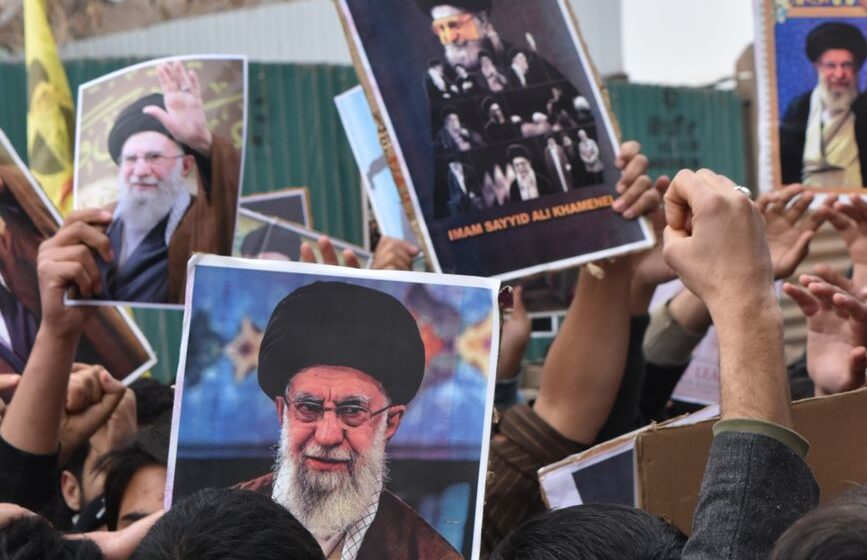
Decades later, Iran is now looking ahead to the eventual funeral of its current Supreme Leader, Ayatollah Ali Khamenei. He has served in this powerful role since 1989, following Ayatollah Khomeini’s passing. As the nation prepares for this future event, there is an expectation that the number of mourners could be even larger than in 1989. This anticipation stems from Iran’s increased population and the long tenure of Ayatollah Khamenei’s leadership.
Such an enormous gathering would present significant logistical challenges for authorities. Planning would need to ensure public safety, manage vast crowds, arrange transportation, and provide necessary facilities for millions of people. The memory of the 1989 funeral serves both as a historical precedent and a guide for future preparations, underscoring the profound national significance of such a moment of transition.