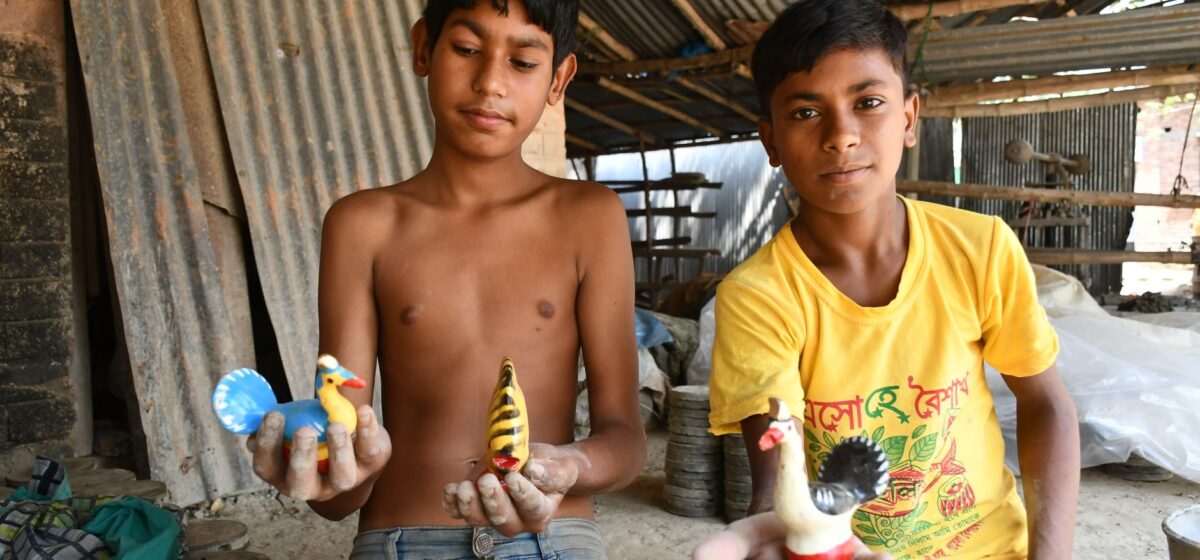
Bangladesh Takes Landmark Action to Shield Children from Toxic Toys
Every child deserves toys that spark joy and aid development, not threaten their health. For years, countless toys sold in Bangladesh contained dangerous chemicals like lead, posing hidden risks to children. This changed on June 23 when the Government of Bangladesh announced mandatory national safety standards for toys.
This new regulation brings all toys, whether made locally or imported, under the strict certification of the Bangladesh Standards and Testing Institution (BSTI). It marks a crucial step in safeguarding children from preventable health hazards linked to unsafe products.
The policy did not appear overnight. It is the result of over a decade of dedicated research and advocacy by organizations like the Environment and Social Development Organization (ESDO). ESDO’s studies, beginning in 2014, repeatedly found alarming levels of lead in toys across Bangladeshi markets. Their work highlighted a critical public health issue, pushing it to the forefront of national policy.
Lead is a highly dangerous substance for children. There is no safe level of exposure. Even small amounts can permanently harm a child’s developing brain and nervous system. It can reduce intelligence, shorten attention spans, affect learning, and cause behavioral problems. Young children are particularly vulnerable because they often put toys in their mouths.
Once neurological damage occurs from lead exposure, it is often irreversible. This means prevention is the only effective solution. The new toy safety standards aim to stop hazards before products reach families, protecting children before harm can occur.
However, rules alone are not enough. The success of this new standard depends entirely on strong implementation and enforcement. Bangladesh has seen well-designed policies fail due to weak oversight, lack of proper laboratory testing, poor inspections, and informal markets.
Key institutions must act now. BSTI needs to create a rigorous certification system. Customs authorities must block unsafe toy imports. Regulators must conduct regular inspections in shops and online. Investment in modern testing laboratories is also essential. All government agencies must work together, and consumers need to be educated about choosing certified products.
Manufacturers also play a vital role. Producing safer toys can boost product quality, build consumer trust, and open doors to international markets with high safety demands. This new standard offers an opportunity for responsible businesses to thrive.
Beyond toys, this initiative sets a precedent for broader chemical safety in Bangladesh. Preventing lead exposure also makes strong economic sense, leading to healthier, more productive citizens.
Bangladesh has made a commendable policy decision. The challenge now is to translate this commitment into real protection for children. Future generations will measure this effort not by the gazette notice, but by how genuinely it safeguarded their health and potential.