Student’s Tragic Death Ignites Nation Amidst Anti-Discrimination Protests
On July 16, 2024, a student protest against discrimination turned deadly in Rangpur, Bangladesh, profoundly impacting the nation. Abu Sayed, a final-year English student and key organizer of the quota reform movement, died from police firing injuries. His passing, confirmed at Rangpur Medical College Hospital, became a symbol of the struggle.
Professor Tuhin Wadud of Begum Rokeya University, upon hearing the news, rushed to the hospital with colleagues. They found Abu Sayed’s body in the emergency department, surrounded by grieving students. Fifty other injured students were also being treated.
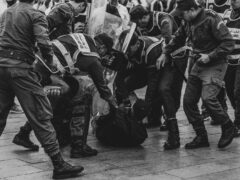
Students attempted to carry Abu Sayed’s body to the university campus, but police intervened, returning it to the hospital. Professor Wadud remained, feeling a deep responsibility to stay until Abu Sayed’s family arrived from their village in Pirganj Upazila.
Bureaucratic hurdles and police delays meant the body was not released until nearly midnight. Despite warnings about potential personal risks, Professor Wadud decided to accompany Abu Sayed’s body to his home village. He felt the university could not abandon a student on his final journey, especially after failing to ensure his safe return.
Reaching Abu Sayed’s home around 2:00 am, the scene was heart-wrenching. His mother’s cries and his younger sister’s plea to Professor Wadud underscored the immense loss. She lamented that her brother, who dreamed of a government job, might still be alive if not for the shooting.
Local media, especially Prothom Alo, showed remarkable dedication in covering the incident. Journalists from Dhaka and Rangpur worked tirelessly, facing dangerous conditions. A photojournalist, Mainul Islam, had to hide for his safety on campus while the Vice-Chancellor’s residence was set ablaze. Colleagues risked much to ensure he received food and water.
Prothom Alo’s commitment extended through the night, with journalists following the hearse to the village. The next day, the newspaper dedicated its front page to Abu Sayed, featuring a powerful image of him just before he was shot. His personal Facebook posts, reflecting his hopes and invoking a martyred teacher, were also highlighted.
Abu Sayed’s death became a pivotal moment in Bangladesh’s history, contributing to significant national changes. His sacrifice, made while resisting an authoritarian government and striving for a just, discrimination-free Bangladesh, continues to resonate. Many hope the interim government will uphold these ideals, prioritizing equality and the welfare of all citizens.