St Martin’s Island: Nature Blooms, But Locals Face Hardship
St Martin’s Island, Bangladesh’s only coral island, has quietly bloomed. Strict government limits on visitors for the past two and a half years have allowed its unique nature to recover. Yet, this environmental success brings hardship for many island residents.
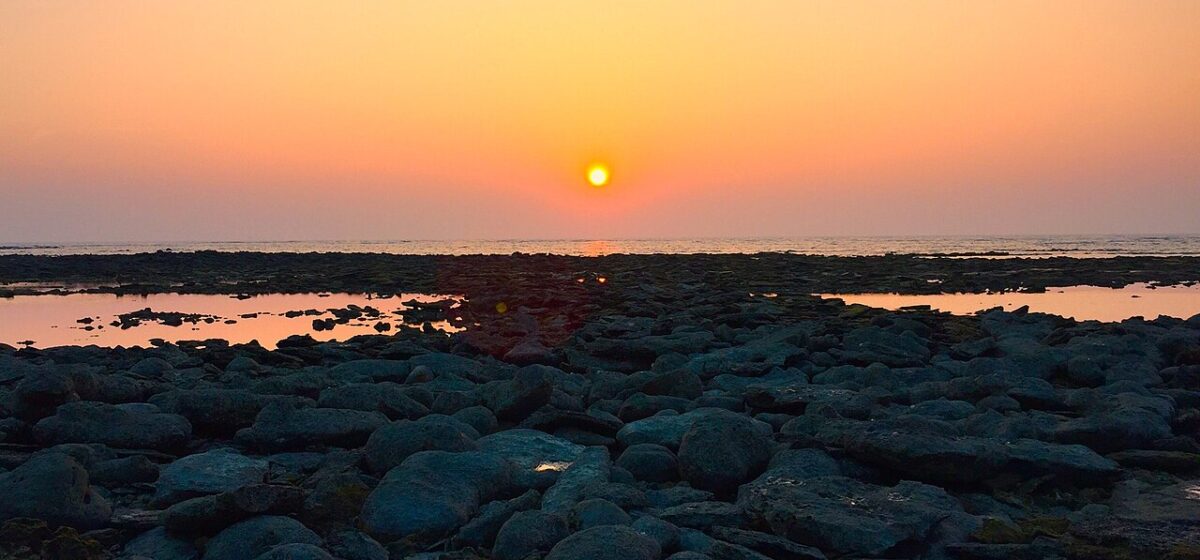
The island’s environment shows clear improvements. Keya forests now bear many fruits and flowers. Seagulls gather along the beaches. Red crabs, snails, and shells are easily seen on the sand. The number of turtle eggs collected at hatcheries has also greatly increased. It rose from 3,000 to over 7,000 eggs annually.
But for the 10,700 people living on St Martin’s, life has become harder. More than 5,000 islanders, including fishermen, farmers, and shopkeepers, relied on tourism. Fisherman Abdul Shukkur, 54, has supported his family by fishing for 32 years. He said the tourist ban and rough seas mean he cannot earn enough to feed his family of eight.
Before, St Martin’s Island welcomed 1 to 1.5 million tourists in a five-month season. Now, only about 237,000 visitors came over the last two tourist seasons. This reduction has left about 5,000 people unemployed. Over 230 hotels are mostly closed, affecting 3,000 jobs. Many families who rented bikes and vans also lost their income. There are no other easy ways for them to earn money.
The government is working on solutions. State Minister Sheikh Faridul Islam recently visited the island. He heard about the residents’ problems. The minister said the government would decide on allowing tourists to stay overnight for at least three months. Projects worth over Tk 1 billion are also underway. These projects aim to improve drinking water, manage waste, and protect biodiversity.
Despite these efforts, St Martin’s Island faces big threats. Climate change is causing sea levels to rise. This leads to coastal erosion, uprooting coconut trees. The island also has less fresh drinking water. Salty sea water is taking its place. Fish are also not as plentiful in the sea as before.
The islanders support efforts to save their unique home. But they are also frustrated by their own financial difficulties. They hope for better ways to earn a living while protecting St Martin’s natural beauty.