Bangladesh’s Courts Seek Freedom: A Long Battle Continues
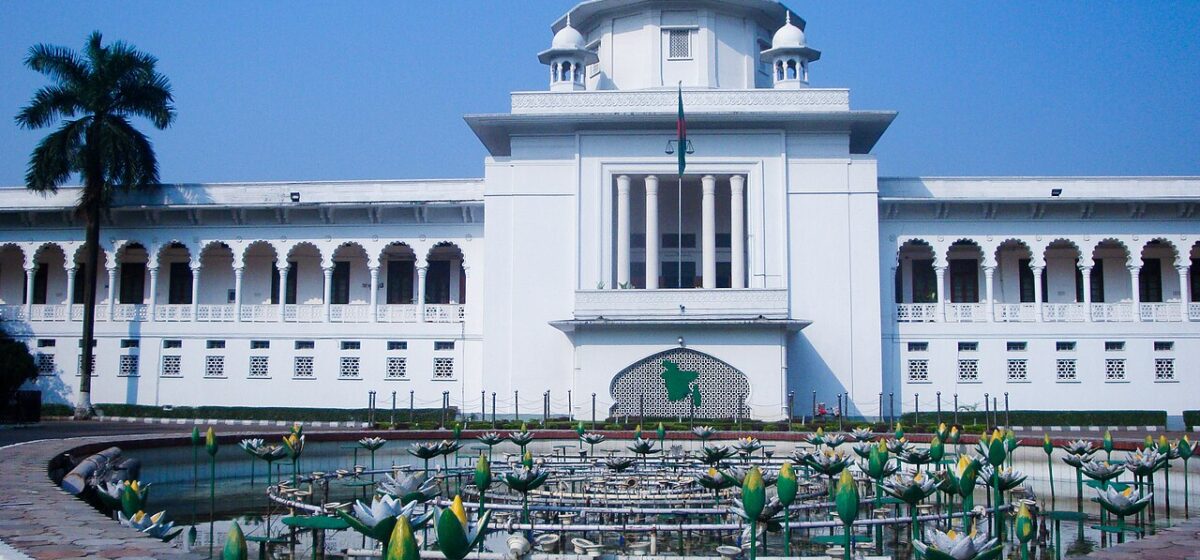
Bangladesh has aimed for truly independent courts for more than 50 years. A High Court decision in September 2025 marked a key moment in this long fight. The ruling aimed to free the nation’s justice system from government control.
The desire for independent courts began even before Bangladesh gained independence. The 1972 Constitution strongly promised this freedom. It gave the Supreme Court full control over the entire judiciary. But in 1975, a constitutional change transferred this power to the President.
After the July 2024 uprising, calls for reform grew stronger. Ensuring judicial independence was a main demand. The interim government then set up two commissions: one for judicial reform and one for constitutional reform. Both groups recommended that the judiciary should be free from the executive branch. This recommendation was included in the July Charter.
A key point of contention is Article 116 of the Constitution. This article gives the President control over lower courts. This includes decisions about judges’ workplaces, promotions, and leave. The High Court’s September 2025 verdict in the case of Mohammed Saddam Hossain vs. Bangladesh addressed this issue directly. The court overturned the amendments to Article 116. It ordered that the original 1972 text be restored. This would give the Supreme Court control over lower courts again. The court also ordered the creation of a separate Judicial Secretariat within three months. This body would help ensure effective judicial independence.
An ordinance to establish the Judicial Secretariat was issued in November 2025. The interim government then set up this secretariat. However, the current government dissolved it on April 10, 2026. This action was surprising because the ruling Bangladesh Nationalist Party (BNP) had made clear promises. While in opposition, the BNP repeatedly said it would ensure judicial independence. They promised to give the Supreme Court control over lower courts and establish a judicial secretariat. These promises were in their 31-point reform program and their election manifesto.
The government dissolved the secretariat without appealing the High Court’s verdict first. On April 20, 2026, Badiul Alam Majumder filed an appeal. The government then filed its own appeal on May 21, 2026. On June 9, 2026, the Appellate Division of the Supreme Court paused the High Court’s verdict. This means the government operated against the High Court’s order from April 10 to June 9, 2026.
The nation is now watching these appeals with great interest. The Appellate Division’s decision will be critical. It will decide if Bangladesh finally achieves truly independent courts. People hope for a judiciary free from executive control. This has been a desire for more than half a century.