Delhi Protests Offer Lessons on State Power and Public Trust
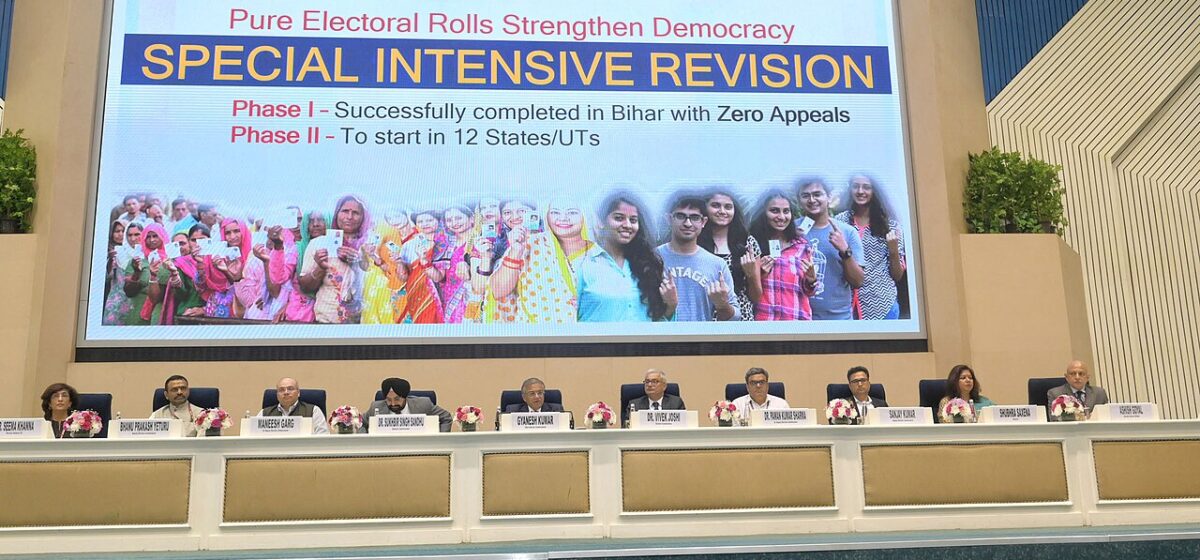
Protests are currently taking place in Delhi, India. People are demanding that Chief Election Commissioner Gyanesh Kumar resign. They claim there are problems with how voter lists were changed. This situation shows the difference between a government using power and earning public trust.
The Election Commission and the ruling Bharatiya Janata Party (BJP) deny any wrongdoing. However, Delhi police have detained many protesters. This raises questions about how governments keep public support.
India saw a similar situation recently. India’s Education Minister, Dharmendra Pradhan, resigned in July. This followed nationwide youth protests. Students were angry about leaked exam questions and unfair tests. His resignation showed that public pressure can make a government change its mind.
These events in Delhi hold important lessons for Bangladesh. In Bangladesh, a student movement grew into a nationwide uprising in 2024. This happened from early June to August 5. Students first protested about job quotas. The movement then turned against the government of Sheikh Hasina.
Her government fell because of many issues. People had long-held complaints. They felt politically excluded. Repression also increased. Trust in the government to listen completely broke down.
The United Nations Human Rights Office reported many deaths. About 1,400 people may have died between July 1 and August 15, 2024. Most victims were shot by security forces. The UN also found serious abuses by state forces.
In Delhi, police arrested many protesters. But no one died from unexplained causes. Police removed protesters from streets without causing serious injuries. Even political opposition leaders were arrested but not killed.
This is different from Bangladesh’s past. During the anti-Ershad movement in 1990, Dr. Shamsul Alam Khan Milon died. He was a doctor and pro-democracy activist. His death became a strong symbol of resistance. It brought people together against the military government. His death showed how one tragedy can fuel widespread anger.
Bangladeshi police and courts must understand this difference. Power makes people obey out of fear. Authority makes people obey because they believe the institution is fair. Bullets or tear gas cannot stop fair questions about accountability.
Police in Bangladesh need better training. This training should focus on calming situations. It should teach how to negotiate and protect peaceful protesters. Clear rules are needed for using force. Officers who act lawfully should be protected. Those who abuse their power must face consequences.
Governments should not use police to protect only their own interests. Democracy needs evidence, talks, and safeguards. It does not need automatic support for the loudest group.
The protests in Delhi, and Bangladesh’s own experiences, show what real strength means. A state is not weak just because police show restraint. It is not strong just because its streets are empty.
The real test for Bangladesh’s law enforcement and courts is this. Do people believe that police and judges represent the law? Or do they represent only the fear of those in power? This must be clear when protesters or opposition parties return to the streets.