Bangladesh’s Political Test: Attacks on Parties Spark Free Speech Fears
Bangladesh faces new questions about political freedom. Recent attacks on opposition parties and activists cause worry. These events test the commitment to open political activity after a major government change. The ruling Bangladesh Nationalist Party (BNP) now faces scrutiny.
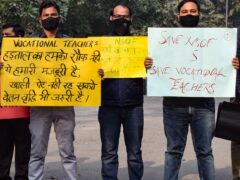
On Monday, former Bangladesh Chhatra Union president Dipak Shil was detained during a Dhaka protest. He supported female Baul singers facing problems performing in Sunamganj. Later, Communist Party of Bangladesh (CPB) leaders held a procession and rally, chanting slogans. Some Jubo Dal and Chhatra Dal members protested. An argument started, and two CPB leaders were beaten. Attackers then went to the CPB office with sticks, chanting against the party. The situation later became calm.
CPB leadership said ruling party supporters gathered outside their office. They tried to enter, and several CPB members were hurt resisting. Police arrived, but attackers continued blocking the office. They demanded handing over alleged banned party members. Police later detained two CPB members, Iran Molla and Sohel Fakir. They were released that night. CPB leaders called this an attack on free politics.
Earlier, police stopped the human chain for Baul singers in Dhanmondi. Dipak Shil was detained there. Reports indicate ruling party members were also present. These incidents raise concerns about the right to protest freely.
Another event on September 26 involved the Jatiya Samajtantrik Dal (JSD). Their Gulistan office was surrounded, reportedly by BNP and Jubo Dal members. Police detained 289 people from the JSD office, arresting 27. They claimed banned Awami League members were inside but could not prove this. Most arrested are now out on bail. JSD had police permission for their meeting.
The Jatiya Party has also faced attacks. Their offices burned during the interim government. Recently, the home of Jatiya Party chairman GM Quader was attacked. These events show a pattern of targeting political groups. The BNP government, which came to power in February, must ensure safety for all parties. Its leaders spoke for tolerance. They must stop violence from their own party members. Attacks on party offices harm the political environment. They make free political activity difficult. This is a crucial test for Bangladesh’s new political system.