Beyond the Field: Why Farmer Health is a Crucial Ingredient for Food Security
Governments worldwide invest heavily in improving crop production, irrigation, and market access to ensure a stable food supply. Yet, one essential part of food security often goes unnoticed: the health of the farmers who produce our food. A nation cannot have lasting food security if the people working its fields are exposed to preventable diseases and inadequate healthcare.
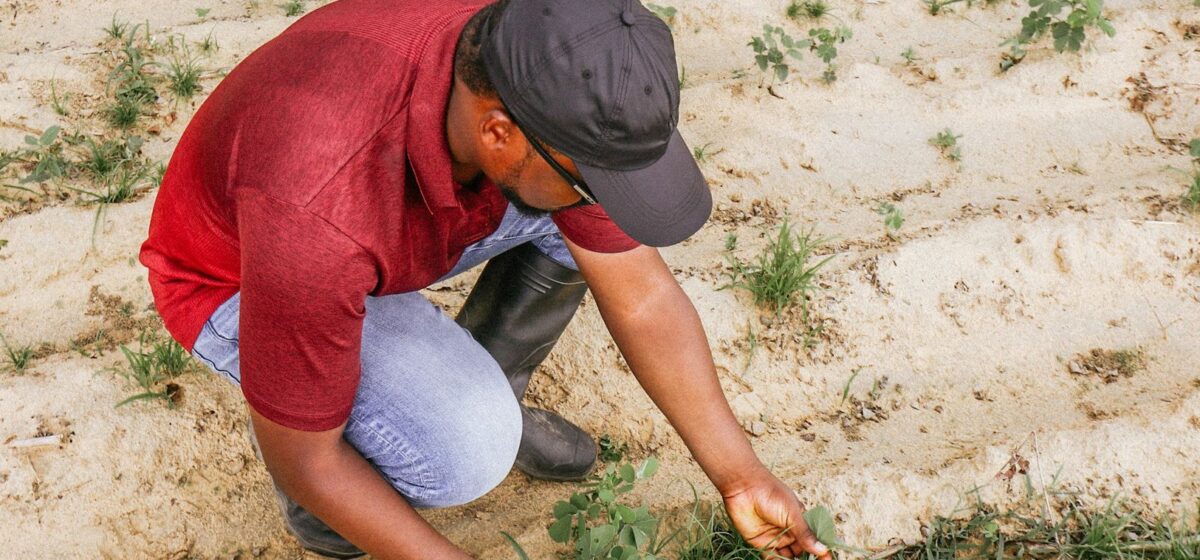
In Bangladesh, farming is central to rural life and a key part of the national economy. Millions of farmers work long hours in intense heat, heavy rain, and dust. Their daily tasks often involve handling toxic agricultural chemicals with little to no protective gear. Ironically, these men and women, who feed the country, often have the least access to quality healthcare or health insurance.
Agriculture is one of the most dangerous jobs globally. Farmers face injuries from machinery, sharp tools, and animal bites. They also face continuous exposure to pesticides, herbicides, and chemical fertilizers. While these chemicals boost harvests, improper use poses serious health risks. Many farmers mix pesticides by hand and spray without gloves, masks, or protective clothing. Toxic chemicals are often stored inside homes, and empty containers might be reused, exposing entire families to dangerous residues.
These unsafe practices lead to both immediate and long-term health problems. Farmers commonly suffer from skin diseases, eye irritation, headaches, dizziness, and breathing difficulties after spraying chemicals. Studies link long-term exposure to respiratory illnesses, nerve damage, kidney and liver problems, and certain cancers. Many of these illnesses go undiagnosed in rural areas due to a lack of available health services.
Poverty makes the situation worse. Most farmers in Bangladesh cultivate small plots and depend on uncertain harvests. When illness strikes, families often face a hard choice between medical care and daily needs. Many delay treatment or rely on traditional remedies because qualified medical help is too expensive or too far away. This creates a cycle: poor health reduces productivity, leading to lower incomes, which in turn makes healthcare even less affordable.
Protecting farmers’ health should be seen as a strategic investment, not just a social concern. Healthy farmers are more productive and better able to manage climate challenges. Investing in their well-being strengthens food production, rural economies, and national stability. Several countries have shown how this investment yields benefits. Japan’s agricultural cooperatives offer health services, Thailand has universal health coverage for rural areas, and Australia uses mobile services in remote farming communities. India’s Ayushman Bharat programme also expands health coverage for low-income farmers.
Bangladesh can learn from these examples. Prevention must be a top priority. Agricultural programs should offer practical training on safe pesticide handling, proper storage, and first aid for chemical exposure. This education should be a regular part of farmer support. Access to affordable protective equipment, such as gloves, masks, and goggles, designed for Bangladesh’s climate, is also vital.
Reducing reliance on hazardous chemicals is another important goal. Investing in pest management, biological controls, and precision farming can lower pesticide use without harming productivity. Healthcare services must also be closer to farming communities. Rural health centers should offer regular screenings for farmers, including checks for respiratory issues and pesticide-related health problems. Mobile medical teams and telemedicine can also help connect rural patients with specialists.
A dedicated “Farmer Health Protection Fund” could support affordable health insurance, emergency treatment, and annual medical check-ups. This fund could also provide financial aid during recovery from illness. Protecting farmers requires combined efforts from different government ministries, including agriculture, health, and labor.
The people who nourish the nation deserve protection from the hazards of producing food. They should never have to choose between their livelihood and their health. Ensuring safer working conditions, expanding healthcare access, and investing in preventive health services are crucial for food security, economic resilience, and public health. Protecting farmers’ health is one of the wisest investments a nation can make for a sustainable future.