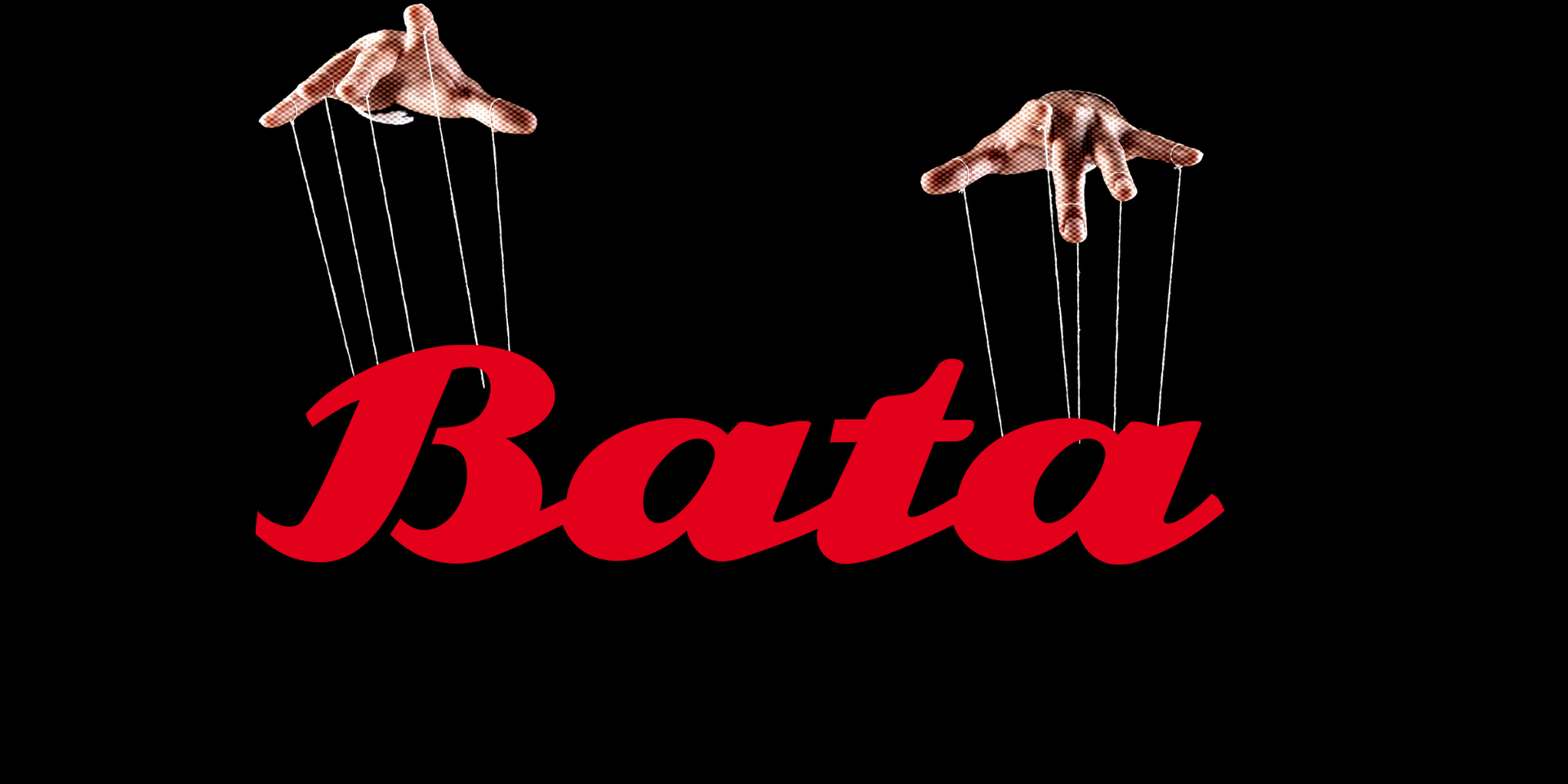
Global News Groups Demand Fair Payment from AI Companies
More than 40 major news organizations have joined a global group. They want to stop artificial intelligence (AI) companies from using their journalism without permission. This coalition is called SPUR, which stands for Standards for Publisher Usage Rights.
SPUR first started in February. It already included big names like the BBC and The Financial Times. Now, new members like The New York Times, The Economist, and Agence France-Presse (AFP) have joined. This doubles the number of publishers taking part in the group.
The coalition helps media companies track their content online. It aims to highlight when their copyrighted work is used illegally. SPUR also helps publishers talk with AI companies like ChatGPT or Claude to agree on business deals.
David Buttle is a co-founder and spokesperson for SPUR. He said the effort to create a fairer information system is growing fast. Mr. Buttle added that high-quality journalism is the basis for AI models. Yet, publishers currently have no way to get fair payment for their work.
Fabrice Fries is the chairman and CEO of AFP. He stressed that millions of people use AI assistants daily for information. This information often comes from news agency journalists who gather and check facts. He said this original journalism must be recognized and paid fairly. Mr. Fries also noted that knowing where content comes from is key for public trust.
Mr. Buttle called AFP’s decision to join SPUR an important step. He said AFP is a leading news agency. Its journalism is very valuable to those building AI systems. But often, this value is used without permission or payment.
Other new members include The Atlantic from the US and The Observer newspaper from Britain. Radio France also joined. Publishers’ associations from Brazil, Japan, Argentina, and Colombia are also new members.
Getting payment for their content is a very important issue for publishers. Their old business model, which relied on advertising, has been weakened by social networks. AI websites also make fewer people visit news sites directly.
The New York Times sued OpenAI three years ago. OpenAI makes ChatGPT. The lawsuit said OpenAI illegally used millions of news articles to train its AI models. The newspaper called it a huge theft of its copyrighted material.
Since then, OpenAI has signed agreements with some news publishers. These include The Wall Street Journal, The Washington Post, Le Monde in France, and The Telegraph in Britain.