Iran’s Top Diplomat Delivers Warning to US, Consults Regional Powers
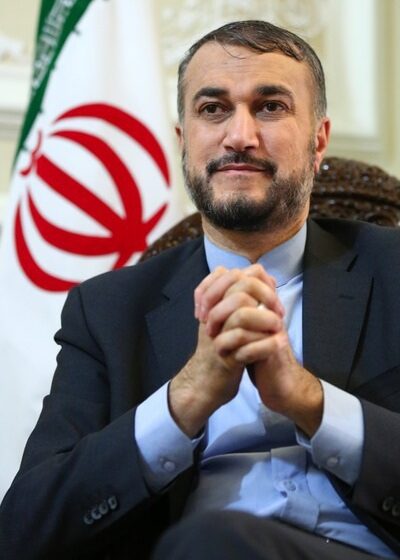
Iran’s most senior diplomat has sent a strong message to the United States. He warned of a powerful response to any American act of aggression. This warning came during phone calls with key neighboring nations.
These important calls included the foreign ministers of Turkiye, Pakistan, and Saudi Arabia. Such direct communication is vital during times of regional tension. The diplomat clearly stated Iran’s position on potential threats. He emphasized that Iran would react strongly if its interests were challenged.
These discussions highlight ongoing concerns about stability in the Middle East. Iran often uses diplomatic channels to explain its views to other countries. This helps prevent misunderstandings that could lead to bigger problems.
Calling the foreign ministers of Turkiye, Pakistan, and Saudi Arabia shows Iran’s aim. It seeks to inform important regional partners about its stance. These countries play a significant role in regional peace and security. Their understanding of Iran’s position is important for overall stability.
The talks also show the complexities of international relations in the region. Many countries want to avoid any conflict that could harm economic stability. They also wish to protect the lives of their people. Diplomatic efforts like these calls are part of ongoing regional efforts.
Iran’s government wants its message to be clear. It wishes to prevent any actions it sees as hostile. By speaking to these foreign ministers, Iran hopes to communicate its seriousness. It also hopes to gain support or understanding from key neighbors.
The international community watches these developments closely. They hope for peaceful solutions to any disagreements. Clear communication between nations is always the best way forward. It helps reduce risks and build trust.