Modi Vows Fast-Track Courts Amid India’s Exam Fraud Protests
Across India, widespread student protests have erupted, fueled by recent scandals involving exam fraud. In response to this growing unrest, Prime Minister Narendra Modi has announced plans to establish special fast-track courts. These new judicial bodies aim to swiftly address cases of cheating and malpractice in public examinations, ensuring quicker justice for victims and perpetrators alike.
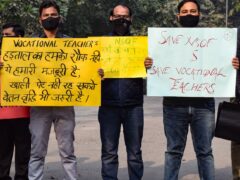
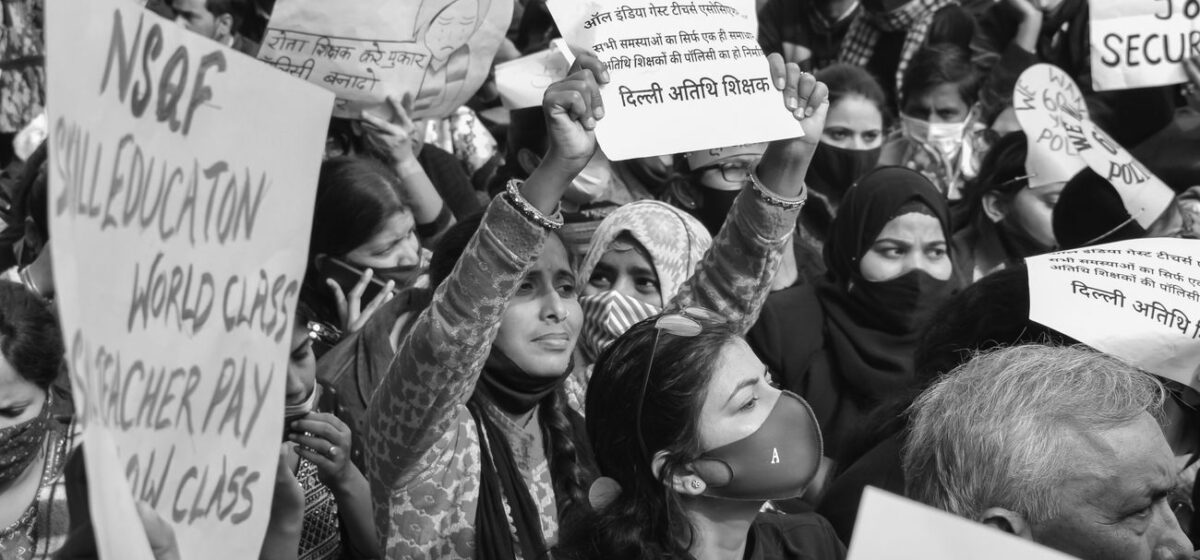
The Prime Minister’s promise comes at a time of significant public anger. Thousands of young people, many aspiring for government jobs or university placements, have taken to the streets. They demand accountability and a fair system, fearing that their futures are being jeopardized by a corrupt examination process. These protests highlight deep concerns about the integrity of competitive tests crucial for career progression in India.
Modi emphasized his government’s commitment to protecting the future of India’s youth. He stated that the new fast-track courts will ensure that those involved in exam fraud face severe penalties without long delays. The goal is to create a strong deterrent against such illegal activities. He also underscored the importance of transparency and fairness in all public examinations.
The government has recently enacted new laws aimed at preventing unfair practices in examinations. These measures include strict rules against leaking test papers and other forms of cheating. The decision to create fast-track courts is a direct extension of these efforts, designed to speed up legal proceedings under the new legislation.
Establishing these courts is a crucial step towards restoring public trust in the examination system. Many students feel disheartened by repeated instances of fraud, which undermine their hard work and dedication. By ensuring prompt legal action, the government hopes to reassure millions of students that their efforts will be judged fairly, and that justice will be served quickly against those who try to cheat the system.