Myanmar Plans Repatriation Amid Concerns for Rohingya Safety
Myanmar has promised a “safe and dignified” return for its citizens living abroad. This pledge comes as the United Nations and human rights groups voiced serious concerns. They worry about a planned return of 1,500 people from Malaysia.
The Myanmar foreign ministry also repeated its denial of the Rohingya Muslim minority. Campaigners fear these Rohingya people may face new dangers if they return.
Malaysia announced in July that Myanmar agreed to take back 5,000 Rohingya. Both nations say nearly 1,500 Myanmar citizens will return voluntarily by late September. It is not clear how many Rohingya are in this first group.
Myanmar’s foreign ministry said it will work with Bangladesh and other countries. The goal is to help verified displaced people return safely and with dignity. Hundreds of thousands of Rohingya fled Myanmar in 2017. This happened after a harsh military crackdown.
That military action is the basis of a genocide case at the International Court of Justice. More than 1.2 million Rohingya live as refugees in Bangladesh. They are in the world’s largest refugee camp. About 126,000 Rohingya also live in Malaysia.
Myanmar has long denied the Rohingya have their own distinct heritage. It says they are descendants of immigrants from Bangladesh. Myanmar even refuses to use the term “Rohingya.” The foreign ministry repeated this view on Thursday.
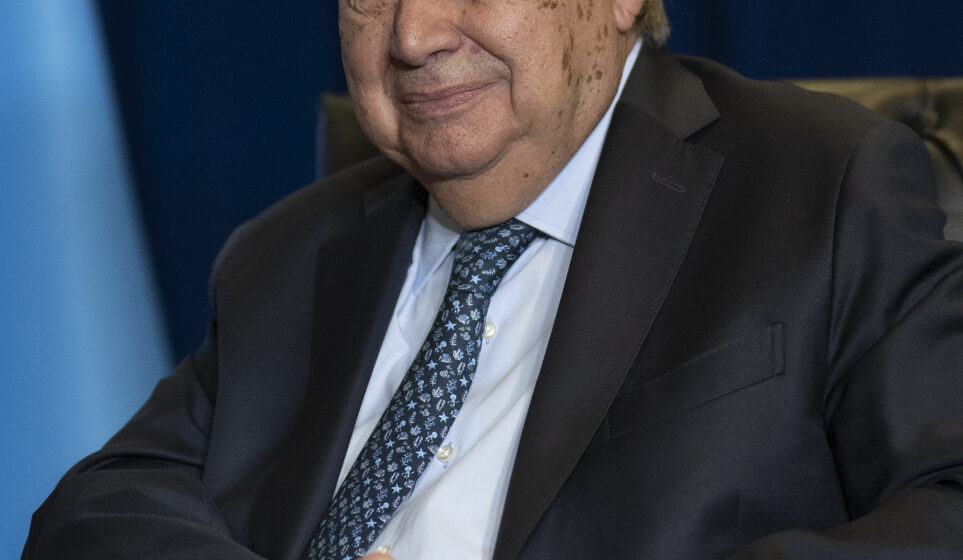
A United Nations report published this week raised strong warnings. UN Secretary-General Antonio Guterres found conditions are not safe for voluntary, dignified returns. Malaysia’s communications minister, Fahmi Fadzil, also made a promise. He said Malaysia will not send back Myanmar nationals if their lives are threatened or they face persecution.
However, rights groups still fear for the Rohingya. They worry that erasing the Rohingya identity in Myanmar could lead to more abuses. Many migrants in Malaysia are held in detention centers. This raises questions about how truly voluntary their decisions to return can be.