Paris Grand Mosque at 100: A Monument to Memory, A Mirror to Modern France
This year, the Grand Mosque of Paris reaches a remarkable milestone, marking one hundred years since its official inauguration. This prominent landmark, built to honor the tens of thousands of Muslim soldiers who bravely fought and died for France during World War I, stands as a testament to their sacrifice.
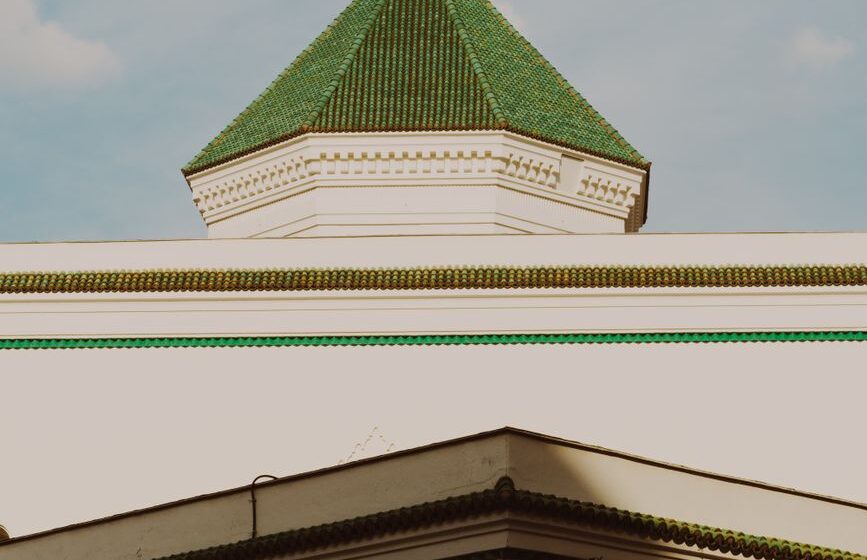
Opened in 1926, the mosque was a gesture of national gratitude. Its construction brought together diverse talents, resulting in a stunning example of Hispano-Moorish architecture, complete with intricate carvings, mosaics, and a towering minaret. Over the past century, it has grown far beyond its original purpose, becoming a vital spiritual and cultural center for France’s Muslim community.
For many, the Grand Mosque represents the enduring presence and contributions of Islam within French society. It serves as a central place of worship, a hub for education, and a voice in national dialogue. Its presence in the heart of the capital underscores the deep historical connections between France and its diverse populations.
However, the mosque’s prominent status has also made it a focal point for broader discussions and political tensions within France. As a visible symbol of Islam, it often finds itself at the center of national conversations about secularism, integration, and religious identity in a country that highly values its secular principles. These complex debates reflect the ongoing challenges and evolving dynamics of a multicultural society.
As it celebrates its centennial, the Grand Mosque of Paris invites reflection on its rich past and its crucial role in contemporary France. It continues to embody both a cherished memory of past sacrifices and a living symbol navigating the complexities of modern religious and social landscapes. Its anniversary highlights its journey from a memorial to a multifaceted institution, deeply woven into the fabric of French life.