Tehran Under Fire: US Strikes Intensify Over Strait of Hormuz Shipping
The United States has launched additional strikes against Iran, aiming to curb what it describes as Tehran’s capacity to threaten international shipping in the Strait of Hormuz. This latest action marks a significant escalation in tensions over the critical waterway.
President Donald Trump has firmly stated that the Strait of Hormuz remains open for maritime traffic. This declaration directly challenges Iran’s assertion that it has the right to close the strait. The conflicting positions have fueled a dangerous standoff.
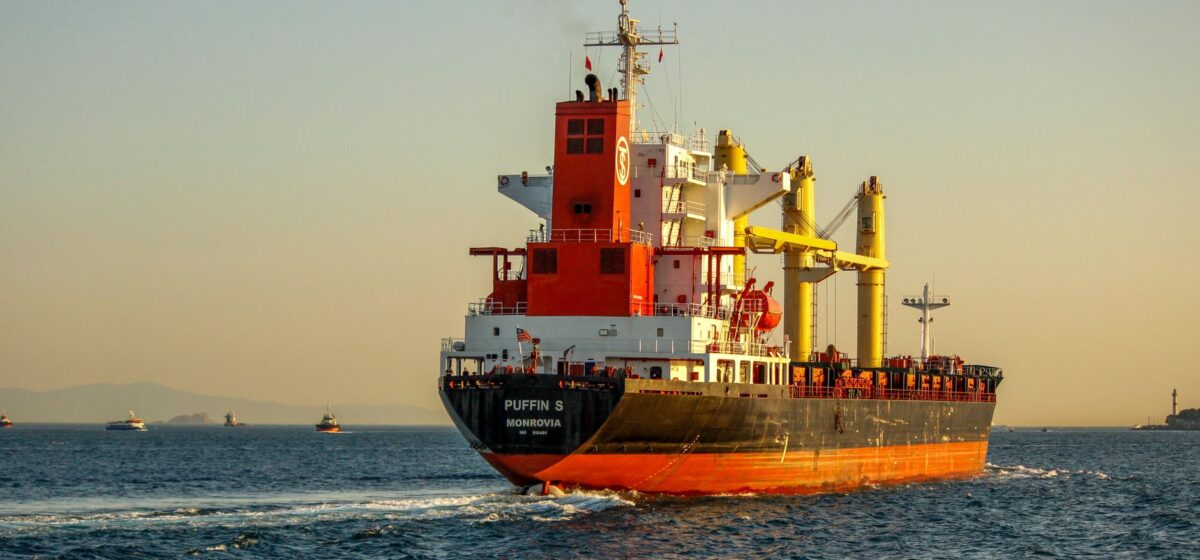
The Strait of Hormuz is a narrow passage connecting the Persian Gulf to the open ocean. It is one of the world’s most vital choke points for oil shipments. A large portion of the world’s oil supply passes through this strategic stretch of water daily.
Recent Iranian actions, including seizures of commercial vessels and attacks on tankers, have prompted a strong response from the US. Washington views these actions as direct threats to global trade and energy security.
The US Department of Defense confirmed the latest strikes targeted military infrastructure believed to be used by Iran to impede shipping. Officials stated these actions are defensive and aimed at ensuring freedom of navigation.
Iran, however, views the increased US military presence and actions as an aggressive posture. Tehran has warned against any attempts to restrict its sovereignty or economic activities in the region.
The international community is closely watching the situation. Many nations rely on the Strait of Hormuz for their energy needs. Continued instability could lead to higher oil prices and significant disruptions to global economies.
Diplomatic efforts remain a challenge as both sides appear resolute. The ongoing confrontation raises concerns about the potential for wider conflict in the Middle East, a region already prone to volatility.