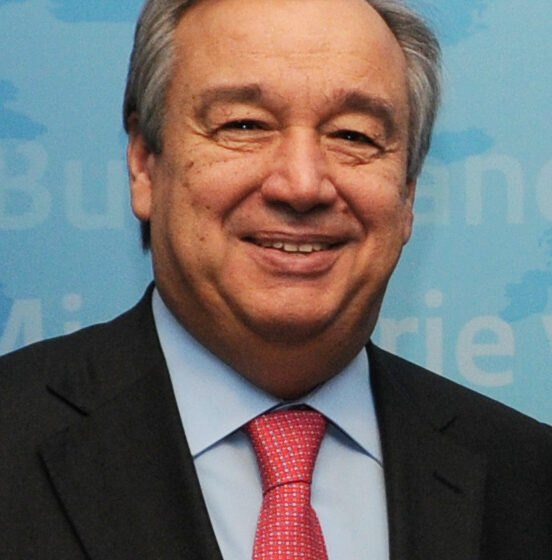
UN Head Visits Syria’s ‘Slaughterhouse’ Prison
United Nations Secretary-General Antonio Guterres recently made a notable visit to Syria. He toured the notorious Sednaya prison. This marked the first visit by a serving UN chief to Syria since 2009. The prison has a dark reputation. It was known as a former ‘Assad prison.’ Sednaya earned the grim title of Syria’s ‘slaughterhouse.’ Many reports say thousands of people suffered terrible torture there. Thousands more were killed within its walls. These reports have long been a major concern for human rights groups.
The Secretary-General’s visit carries significant weight. It underlines the United Nations’ unwavering commitment to human rights. Mr. Guterres seeks to bring global attention to places like Sednaya. The United Nations consistently advocates for upholding human dignity. It also calls for accountability for severe human rights violations in all conflict zones. The humanitarian situation in Syria remains very serious. The country has endured years of devastating conflict. This has led to immense suffering for its population. Millions of Syrians have been displaced from their homes. Many others still face severe hardship. They need urgent humanitarian assistance for survival.
The UN chief’s tour sends a powerful and clear message. It shows that the international community is closely observing the situation. It serves as a stark reminder of the global demand for justice for victims. The visit also supports ongoing efforts to achieve lasting peace in Syria. It encourages full respect for international human rights law. The United Nations continues its vital work across Syria. It provides critical humanitarian aid to those in need. This includes food, shelter, and medical support. It also actively supports political dialogue aimed at finding a peaceful resolution. This important visit by Mr. Guterres highlights these ongoing efforts. It renews the call for a future where such profound suffering is prevented. It also emphasizes the importance of protecting every individual’s fundamental rights and ensuring their safety.