US Rejects Iran’s Hormuz Plan, Deepening Mistrust
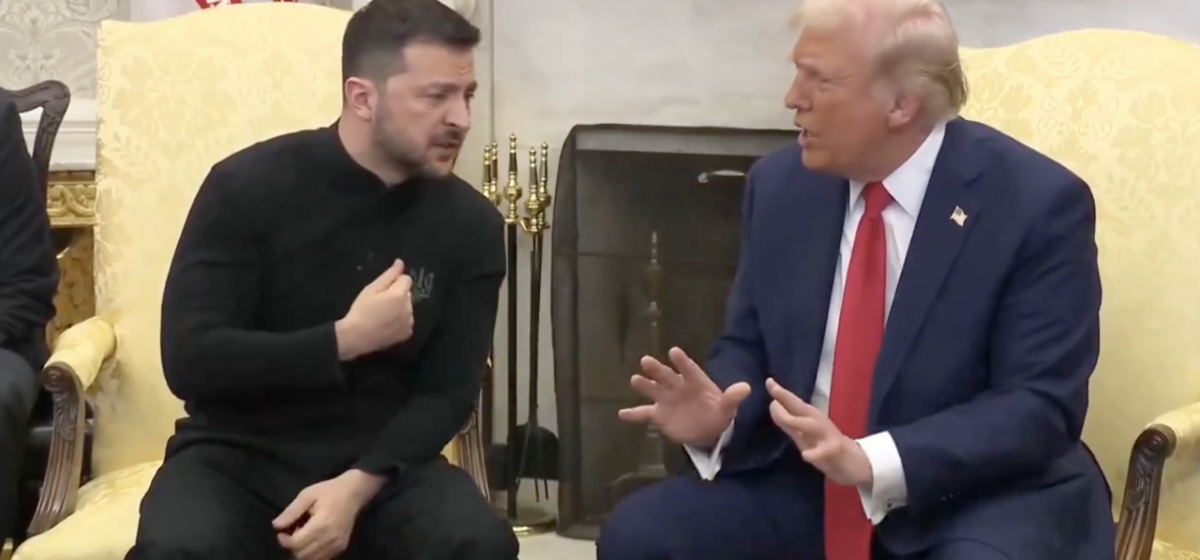
The United States has turned down a plan from Iran to reopen the Strait of Hormuz. US President Donald Trump stated that the deal was “not acceptable.” This decision has further escalated tensions between Washington and Tehran.
Iranian official Masoud Pezeshkian reacted to the rejection. He said that Iran no longer trusts talks with the United States. This statement highlights a significant breakdown in diplomatic efforts.
Iran’s proposal suggested reopening the Strait of Hormuz in seven days. The Strait is a crucial waterway for international shipping. It is especially important for the global oil trade. Mr. Trump did not give specific reasons for his rejection of the plan.
The Strait of Hormuz is located between the Persian Gulf and the Gulf of Oman. It is one of the world’s most strategic choke points. A large percentage of the world’s seaborne oil passes through this narrow passage every day. Its safe operation is vital for the global economy.
Mr. Pezeshkian’s remarks reflect long-standing difficulties. Both countries have faced many disagreements for decades. Trust between their leaders has been low for a long time. This latest development adds to existing challenges for finding peace.
The United States has placed strong economic sanctions on Iran. These sanctions have hurt the Iranian economy. Iran has often called for these measures to be lifted. The US, however, maintains pressure on Tehran over its nuclear program and regional actions.
This rejection shows that a quick resolution is unlikely. It suggests that both nations remain far apart on key issues. The path towards any future diplomatic engagement now appears more difficult. This situation demands careful attention from international observers.