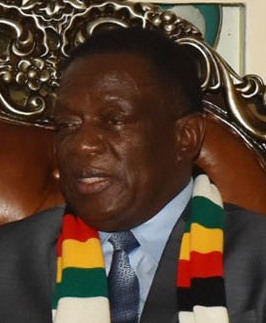
Zimbabwe Changes Land Policy, Reopening Decades-Old Farm Disputes
More than two decades after Zimbabwe took many farms, some of these lands will change hands again. President Emmerson Mnangagwa’s government announced a new land policy. It will resolve old disputes over land taken after 2000.
Officials said this is not a reversal of the land reform program. That program reshaped Zimbabwe’s countryside. Instead, they are solving three types of land claims. These involve foreign investors, Black Zimbabwean owners, and white farmers.
Sixty-seven farms are returning to investors. These investors are from Denmark, Germany, the Netherlands, and Switzerland. These farms were protected by special agreements with other countries. The government is meeting its legal duties.
Another 840 farms will go back to their Black Zimbabwean owners. Officials said these farms were mistakenly taken during land reform. Also, 409 white farmers can buy the land they now use. They will use money owed for farm improvements as payment.
Agriculture Minister Anxious Masuka said this is about legal obligations. He told Parliament it is not a return to how things were before land reform. Land remains a very sensitive issue in Zimbabwe. It is closely linked to the country’s colonial past.
At independence in 1980, white commercial farmers owned most of Zimbabwe’s best farmland. This was because of colonial rules. Land redistribution started slowly after independence. But many Black Zimbabweans felt it was too slow.
In 2000, war veterans and ruling party supporters began occupying white-owned farms. The government made these seizures official. Supporters saw this as finishing the fight for independence. However, the changes badly hurt farming. They also led to a wider economic crisis.
Now, President Mnangagwa’s government wants to solve these old disputes. It also aims to improve relations with other countries and international lenders. Zimbabwe is seeking financial help and more investor confidence. The return of some farms is part of this effort.
The government is also giving title deeds to farmers who received land during the reform. This gives them more security. Officials stressed that land reform itself is permanent.
Some former farm owners hope to get their properties back. Michael Kwaramba said his family’s farm was wrongly taken. Willem Jansen, a Dutch-born Zimbabwean farmer, hopes to regain his family land. He said many workers lost jobs after his family left.
But war veterans who took part in the reform have mixed feelings. Milton Gurajena remembers a national spirit for taking back land. Yet, he said many did not understand the legal problems. Marko Dzingirai, another war veteran, worries what the changes mean for settlers. He hopes their sacrifices are not being betrayed.