Iran’s Economy Under Strain as Blockades and Battles Widen
Iran’s economy faces major challenges. The ongoing conflict now affects vital international sea lanes. This includes areas far beyond the Strait of Hormuz. US naval blockades are hitting Iran’s southern ports for a second time.
Mediated talks between Iran and the United States continue. But risks of more problems in sea routes remain. Disruptions now include the Red Sea and Caspian Sea.
Iran’s Ministry of Petroleum said it sold $11.5 billion in crude oil during the war. It sold $6.5 billion during a recent agreement with the US. These sales make up 60 percent of the yearly oil revenue goal.
A previous US blockade in April lasted over two months. Iran reported almost no oil exports during that time. This new blockade may further reduce Iran’s export money. About 90 percent of Iran’s crude oil leaves through Kharg Island. This vital site faces increasing pressure.
The US military has redirected 12 commercial ships since mid-July. These ships tried to break the blockade. Soldiers disabled two vessels and boarded two more. One ship, the Charminar, was an Iran-linked oil tanker. It was sanctioned last year. Iran’s armed forces have also redirected ships and said they will not surrender.
The US military has paused extensive bombing against Iran. This gives space for talks. Iran has also stopped revenge attacks in the region. Iran’s Foreign Ministry said discussions with Oman on the Strait of Hormuz have been helpful.
However, oil export limits worsen Iran’s existing economic problems. These include domestic issues and past mismanagement. Years of harsh sanctions also cause problems. US and Israeli attacks since February have damaged Iran’s infrastructure.
Iran lost about 230 million cubic meters of natural gas output daily. This was due to bombing. It has caused shortages of electricity and petrochemicals. Officials expect to restore over 100 million cubic meters of gas daily soon.
The country also has a daily petrol shortage of more than 20 million litres. Authorities manage this with costly imports and by asking citizens to use less fuel. A fuel price hike is being considered. Past fuel price increases led to deadly protests in 2019 and January this year.
Tehran and other cities suffer from rolling electricity cuts. These also affect water and communications. President Masoud Pezeshkian ordered industries not to be cut off until September. This helps protect jobs.
The Strait of Hormuz closure hurts Iran’s trade with China. China is Iran’s biggest trading partner. China has reduced its oil imports. Non-oil trade with China fell by 75 percent in March and June compared to last year.
Internet shutdowns earlier this year also damaged Iran’s economy. The country already faces high inflation. People’s buying power is quickly falling. A study found that 45 percent of Iranians might live below the poverty line this year.
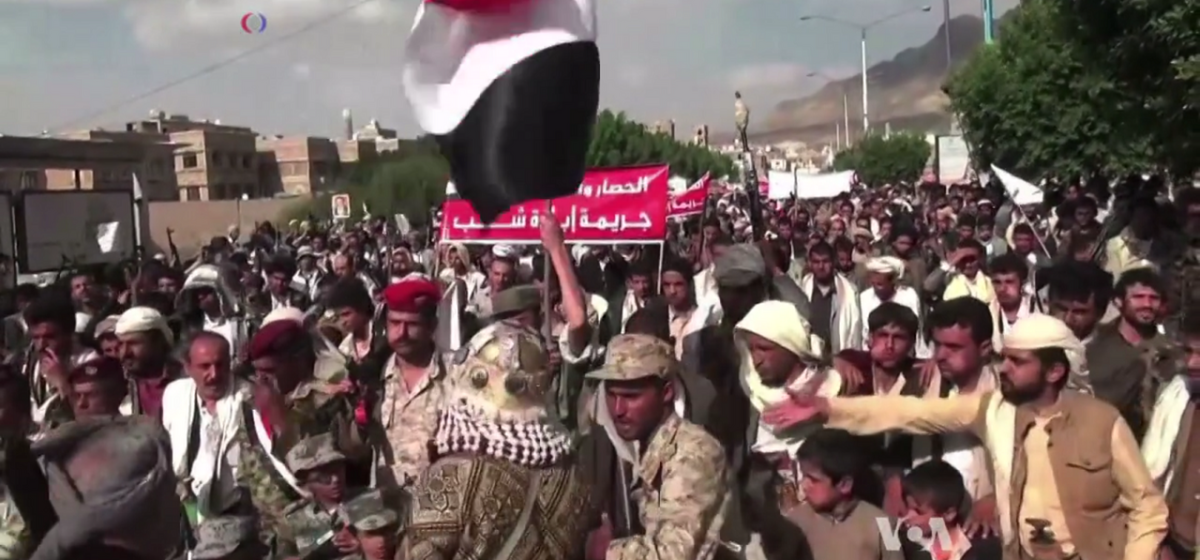
The conflict is expanding. Houthis in Yemen have declared a blockade against Saudi Arabia. They hit vessels near the Bab al-Mandeb strait. Ukraine has also struck a vessel in the Caspian Sea. Iran said it was a commercial ship, but Ukraine claimed it carried military goods. This incident raises fears that the Caspian Sea could see more fighting.