Kenya Moves to Protect Local Traders, Limits Foreign Role in Small Business
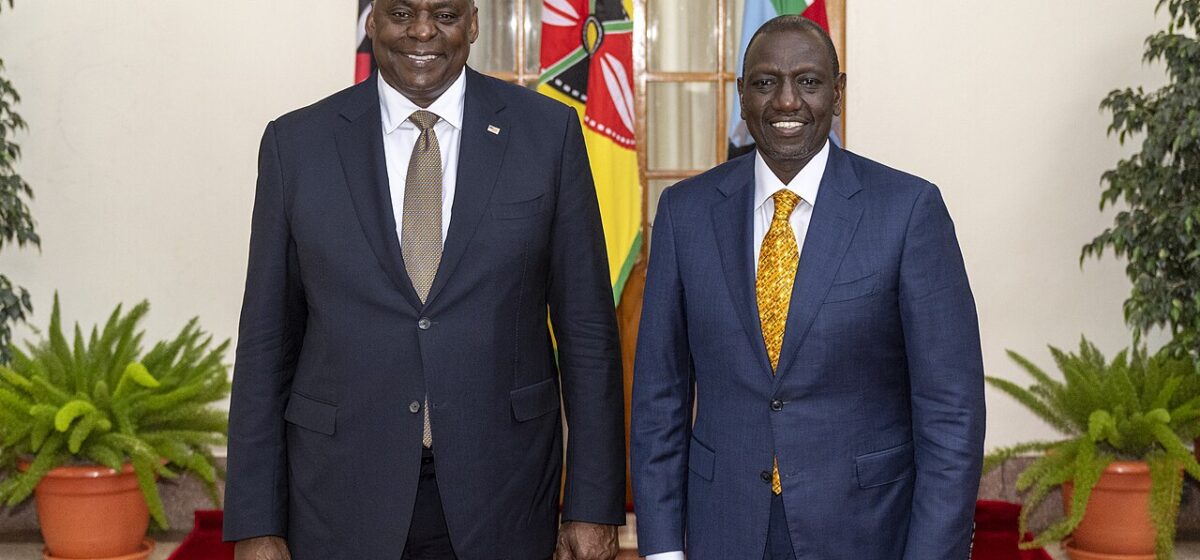
President William Ruto has ordered authorities to close small shops run by foreign nationals. This directive aims to protect Kenyan citizens in business. The crackdown on these businesses started on September 7.
President Ruto announced this plan on September 2. He spoke in Nairobi at an event for small and medium-sized enterprise traders. He said foreigners should not compete with Kenyans in hawking and small retail.
The President explained that Kenya welcomes foreign investors in larger businesses. These are projects that need more money and investment. The government will take steps while the Parliament considers a new law. This law is called the Local Content Bill, 2025.
Professor Hesbon Hansen Owilla from Aga Khan University supports this policy. He said it is the best way to protect Kenyan small businesses and traders. He added that Kenya seeks investors who create jobs, not those who harm local traders.
Foreign Affairs Principal Secretary Korir Sing’Oei clarified the situation. He said foreign nationals with correct permits and licenses are legally protected. He explained that President Ruto’s remarks were part of discussions about the new bill.
Kenya’s foreign direct investment was about 1.458 trillion Kenyan shillings. This is around $11.27 billion at the end of 2023. These figures cover all foreign investment, not just small trading.
This action against small foreign businesses is different from the Tata Chemicals case. Tata Chemicals operates a soda ash business. Its operations were stopped due to other issues, not this new directive.
Solomon Kinyanjui, a business consultant, said foreign capital is welcome if it helps Kenyans. He believes foreign investment should add to Kenyan efforts. It should not replace economic activities that Kenyans can do themselves. Foreign investment should bring new money, skills, or access to markets.
Journalist Hafsa Abdiwahab Sheikh noted the policy has good and bad points. It could create more jobs for Kenyans and share skills. But if not managed well, it might discourage foreign investment. This could also increase business costs and prices.
Kenya wants to ensure its citizens gain most from the economy. The government aims to build a fair business environment for all.