Brazil’s Lula Victory Reshapes BRICS Expectations
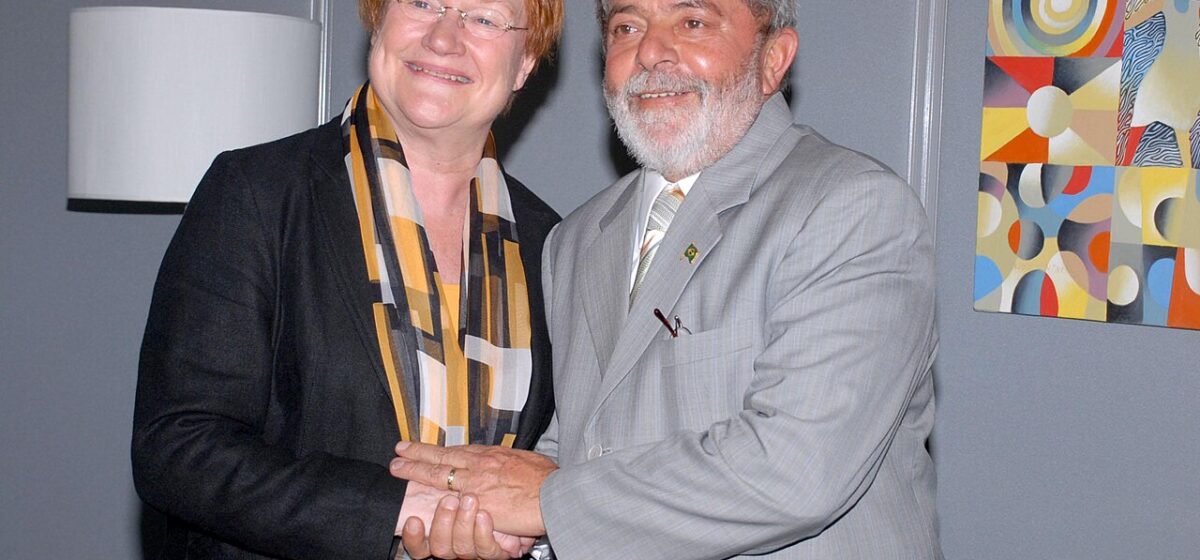
Luiz Inácio Lula da Silva won the Brazilian presidential election. He defeated the current President Jair Bolsonaro. Mr. da Silva served as Brazil’s president before, from 2003 to 2010. His return to power brings new expectations for Brazil’s foreign policy.
Brazil is an important member of the BRICS group of nations. BRICS includes Brazil, Russia, India, China, and South Africa. This group aims to strengthen economic and political ties among its members. Many leaders within BRICS countries are watching Brazil closely.
During his previous time as president, Mr. da Silva strongly supported BRICS. He helped make the group stronger. He believed in working together with other developing nations. This approach helped Brazil gain more influence on the global stage.
Mr. Bolsonaro’s government had a different foreign policy. It focused less on international groups like BRICS. Some members of the BRICS group were concerned about this. They hoped Brazil would take a more active role again.
Now, with Mr. da Silva returning, BRICS members expect renewed cooperation. They believe Brazil will once again be a strong voice for joint development. Mr. da Silva is likely to push for more talks and projects within the group.
His victory means Brazil may increase its ties with countries like China and India. It could also lead to stronger South-South cooperation. This involves developing countries working together. This is a key part of Mr. da Silva’s vision.
The election result ended worries among some BRICS nations. They feared a continued less engaged Brazil under Mr. Bolsonaro. Mr. da Silva’s win is seen as a positive sign for the future of the BRICS alliance. It promises a new era of global partnership for Brazil.