Bangladesh’s BSTI Urges Calm, Starts Toothpaste Microplastic Tests
The Bangladesh Standards and Testing Institution (BSTI) has asked people not to worry. This follows reports that microplastics were found in many toothpaste brands sold in Bangladesh. BSTI said no product should be called unsafe without full scientific and legal checks.
On Tuesday, BSTI announced it began collecting toothpaste samples. These samples come from shops and factories. They will be tested in approved laboratories in Bangladesh and other countries. If any product does not meet national standards, or has forbidden ingredients, legal action will be taken.
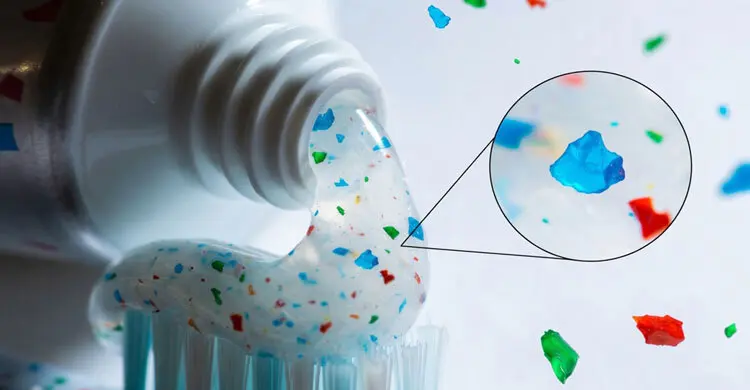
This statement comes after a recent study by the Environment and Social Development Organization (ESDO). ESDO reported finding microplastics in 26 out of 34 toothpaste samples. This report worried many people.
BSTI is taking this matter seriously. It affects people’s health and the environment. Microplastics are plastic pieces smaller than 5 millimeters. They are often hard to see without special tools.
The World Health Organization (WHO) says microplastics are a growing worry for health and the environment. But research on their health effects is still happening. WHO needs more scientific study to fully understand possible health dangers.
BSTI noted that some countries have rules against microplastics in toothpaste. The United States banned purposely adding small plastic beads to products like toothpaste in 2015. In Europe, companies must stop adding microplastics on purpose by October 2027. Many countries already forbid them.
However, BSTI said that rules in India, Pakistan, Sri Lanka, and some international groups do not set limits for microplastics in toothpaste. Also, there is no globally agreed limit or standard way to test for microplastics that get into toothpaste by accident.
Bangladesh has its own national standard for toothpaste. This standard does not directly speak about microplastics. But it lists 81 approved ingredients. Microplastics are not on this list.
Before giving certification, BSTI checks how manufacturers control quality. This means there should be no way for microplastics to be added to toothpaste on purpose.
BSTI warned that just finding plastic pieces does not scientifically show they were added on purpose. It also does not mean the product is harmful. More study is needed to know what kind they are, where they came from, how much there is, and if they can harm health.
BSTI has asked ESDO for its full research report. It also requested the testing method and all raw data. BSTI is also gathering information from manufacturers and importers about their raw materials and product recipes.
The agency also announced it is looking at Bangladesh’s toothpaste rules. This review includes help from experts, research groups, environmental departments, and health professionals. If enough scientific proof comes out, BSTI will update the national standard. This will control how small plastic beads are added and require companies to tell what ingredients they use.