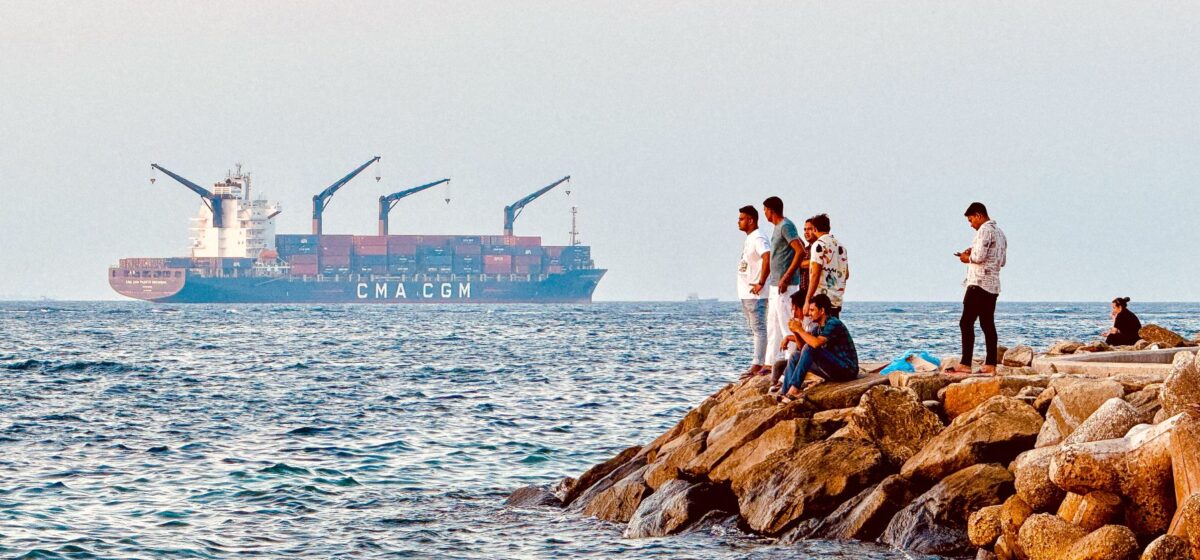
Global Trade Rerouted: The Red Sea Blockade’s Rising Cost to Consumers
A vital trade artery, the Bab al-Mandeb Strait, faces severe threat. Houthi rebel attacks on commercial ships in the Red Sea are forcing major shipping companies to abandon this crucial waterway. This disruption is already pushing up prices for goods worldwide.
The Red Sea, connected to the Suez Canal, is the fastest maritime route between Asia and Europe. It handles an estimated 12% of global trade. Any prolonged interruption creates immediate, far-reaching economic challenges.
Since late last year, Houthi militants in Yemen have launched missile and drone attacks. These actions, stated as solidarity with Palestinians, sharply increased maritime security risks. Major shipping lines now deem dangers too high, halting regular passage.
To avoid the threat, many vessels reroute around Africa, via the Cape of Good Hope. This adds thousands of miles and weeks to journey times. Extended voyages consume more fuel, increase labor costs, and drive up insurance premiums. These extra expenses are passed on.
Longer transit times strain global supply chains. Manufacturers and retailers face delays in receiving components and products, potentially leading to shortages. Industries from automotive to electronics feel pressure from unpredictable delivery schedules.
These rising shipping costs are expected to translate into higher prices on store shelves. Consumers could see increases across many products, including imported goods, fuel, and some food items. The additional expense becomes a surcharge on nearly everything transported by sea.
Economists worry about the situation’s potential to fuel global inflation. European nations, heavily reliant on the Red Sea route for energy and goods, could face pronounced economic impacts. The crisis highlights global trade’s fragility to geopolitical instability.
The Red Sea blockade presents a significant challenge to international commerce. As disruptions continue, businesses and consumers worldwide will likely face higher costs and extended delivery times.