Mystery Solved: New Cat Species Found After More Than 100 Years
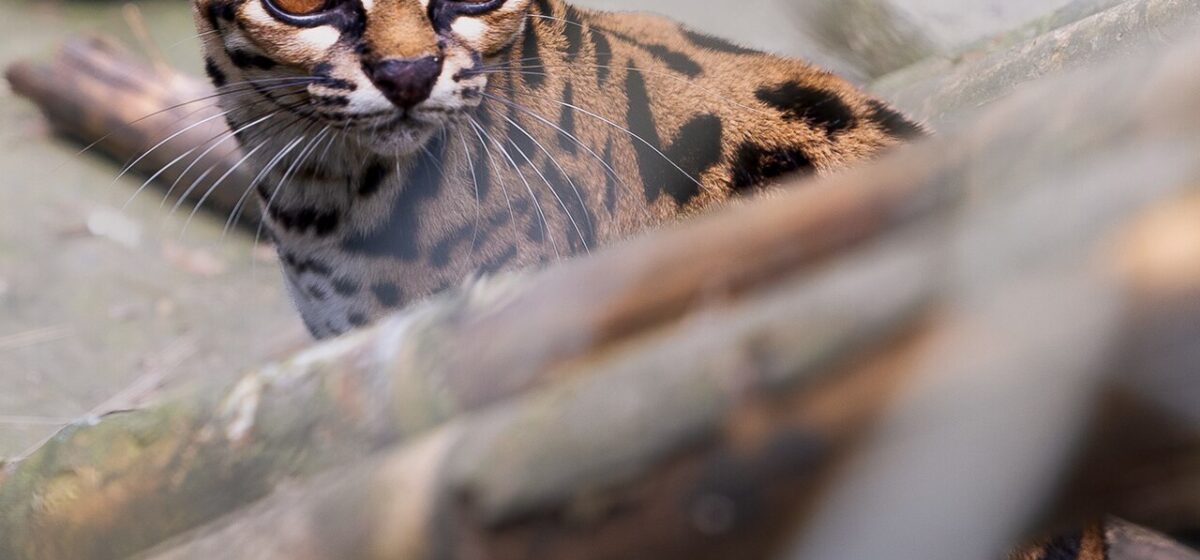
Scientists in Bolivia have announced a remarkable discovery. They have identified a new species of cat. This is the first time a new living cat species has been found in over a century. The discovery happened in the rich Yungas forest.
This small wild cat is special. It weighs only about 3 pounds. This is much lighter than an average house cat. It measures approximately 18 inches long. Local people living near the forest call this new animal “Tilcayo.”
The cat belongs to a group known as tiger cats. These are small wild cats found in parts of Central and South America. Until now, scientists recognized several species within this group. This new find adds another one.
Researchers used advanced genetic testing methods. They studied samples from the cat. By comparing its DNA with other known tiger cat species, they confirmed it was distinct. This genetic difference proved it was a separate species.
The Yungas forest in Bolivia is a special place. It is a humid forest ecosystem. This forest lies on the eastern side of the Andes Mountains. It is known for its wide variety of plants and animals. Such a unique environment supports many different forms of life.
Finding a new mammal species is very rare today. This discovery highlights the incredible biodiversity still hidden in our world. It reminds us of how much we still need to explore and understand. It also shows the importance of protecting wild places.
The identification of the Tilcayo cat is important for conservation efforts. Scientists now need to learn more about this species. They will study its behavior, diet, and how many of these cats exist. This information will help create plans to protect its future.
Protecting the Yungas forest is now even more critical. It is home to this newly found cat. It also supports many other animals and plants. This discovery encourages continued research and protection of valuable natural habitats.