Over 2,300 Dead: DR Congo’s Ebola Outbreak Now Its Most Fatal Ever
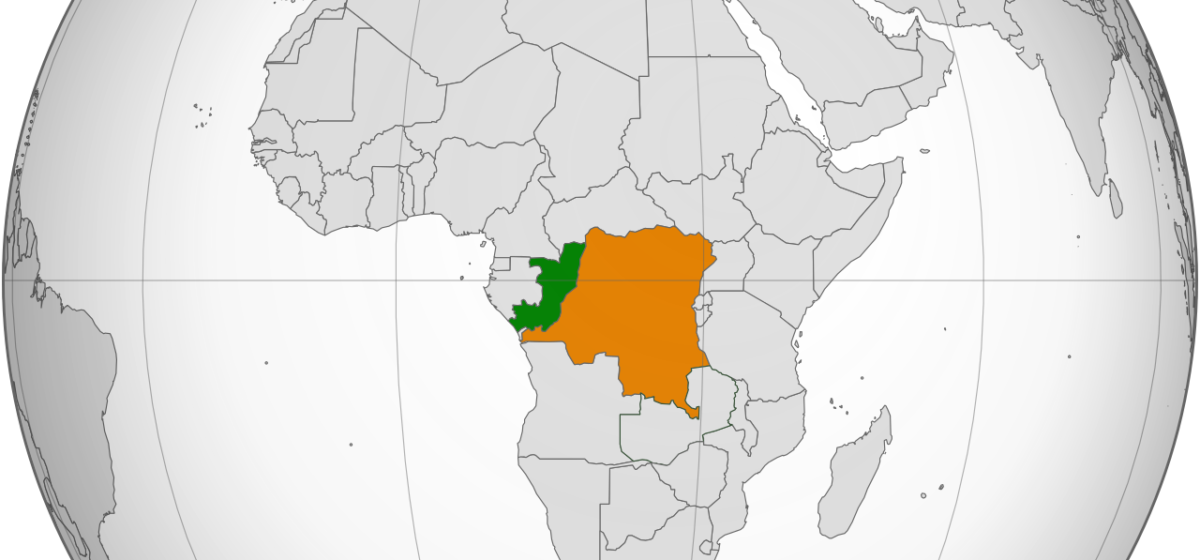
More than 2,300 people have died from Ebola in the Democratic Republic of the Congo. This marks the current outbreak as the deadliest in the country’s history. The number of deaths has now gone past the 2,299 recorded in the 2018-2020 outbreak.
The virus has infected 4,945 people in total. Over the last 24 hours, 101 new cases were found. The DR Congo’s National Public Health Institute shared these numbers on Sunday.
Tom Fletcher, a top United Nations official, commented on the situation. He said the outbreak is growing faster than any other recorded. Mr. Fletcher urged for quick action and strong support to control the virus. He stressed the need for this before the virus spreads even more.
This is the 17th Ebola outbreak in the Democratic Republic of the Congo. It became the largest in terms of cases earlier this year. The current number of deaths now makes it the worst in the country’s past.
Tedros Adhanom Ghebreyesus, head of the World Health Organization, spoke last week. He warned that this outbreak might soon exceed the West African Ebola crisis. That crisis, from 2014 to 2016, killed over 11,000 people.
The current Ebola outbreak is caused by the Bundibugyo species of the virus. There are no approved vaccines or treatments specifically for this type. The virus has spread quickly since May 15.
Many challenges make it hard to stop the virus. These include a weak health system and very remote areas. Also, fighting near the DR Congo’s borders with South Sudan, Uganda, and Rwanda causes problems.
The chance of dying after getting the virus has increased. This rate is called the case fatality ratio. It rose from about 20 percent in early June to 46 percent now. This means almost one in every two confirmed cases is now deadly.
Thomas Parisch from Doctors Without Borders explained this worrying trend. He said normally, this ratio should fall as an outbreak continues. Better ways to find and treat patients early should help. However, many cases are still found very late. Treatment then has less chance to work. Many people are identified only after they have died in the community.