The Fight to Bring Back Chakaria Sundarbans, Bangladesh’s Lost Forest
Chakaria Sundarbans was once Bangladesh’s second-largest mangrove forest. In the 1950s, it covered over 21,000 acres of land. Today, only a single sundari tree remains.
This vital forest was largely destroyed in the 1980s. The main reason was the rapid growth of shrimp farming.
The forest protected coastal areas in Cox’s Bazar. It also served as a home for many animals and fish.
Its destruction caused much harm. In 1991, a strong cyclone hit the region. Experts believe many lives could have been saved if Chakaria Sundarbans was still there.
Restoring Chakaria Sundarbans is now seen as very important. It can protect against future cyclones and rising sea levels.
Mangrove forests also absorb carbon dioxide. This helps to fight climate change.
An NGO has already planted 80,000 bain trees on 25 acres. Another 40,000 bain trees were planted recently. These young trees are growing well.
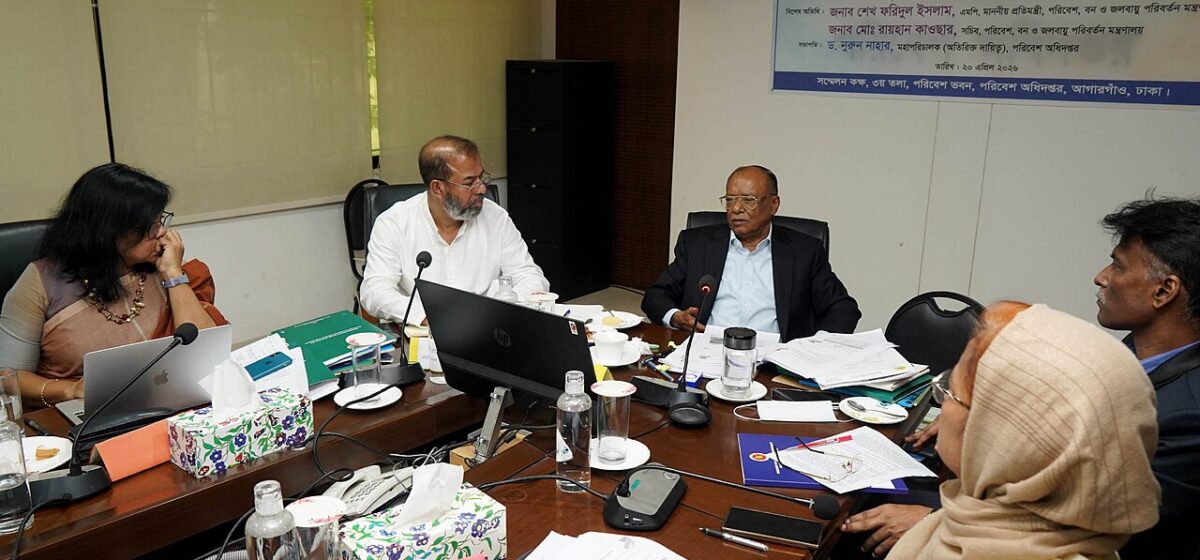
The government plans to take back forest land. Shaikh Faridul Islam is the State Minister for Environment, Forest and Climate Change.
He said 4,000 acres are still officially recorded as forest land. The government’s first aim is to reclaim these areas.
Leaseholders have used some forest land without permission. The government also plans to cancel these leases.
However, restoring the forest faces many challenges. Leaseholders may not want to give up the land.
Shrimp farms have changed water flow. The soil is also damaged from years of salt water. The international demand for shrimp also makes things difficult.
Experts suggest a solution called “silvofishery.” This method combines shrimp farming with growing mangroves.
Trials show that having mangroves near shrimp farms reduces shrimp deaths. This proves that shrimp farming and mangroves can live together.
Mohammad Amir Hosain Chowdhury is the Chief Conservator of Forests. He advises testing silvofishery in new locations.
Chakaria Sundarbans could be an ideal place to try this. This would help fix the historical damage to the forest.
Bringing back Chakaria Sundarbans is crucial for Bangladesh’s future. It will help local people and the environment.
It requires strong government action and public support. This is a fight for the survival of our coastal areas and communities.


