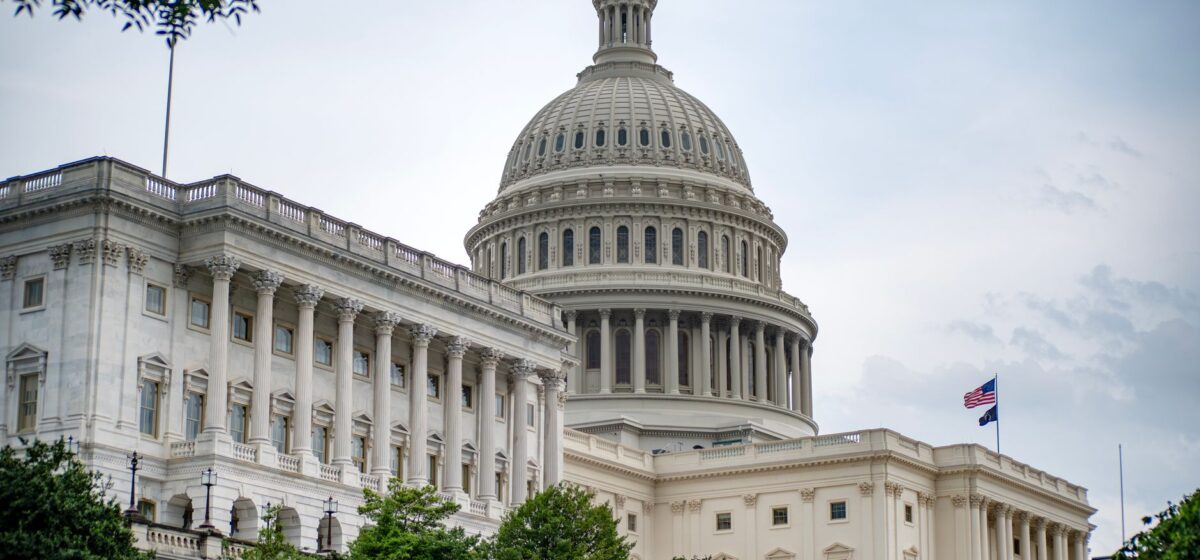
US House Passes $1.15 Trillion Defense Bill, Sparks Senate Battle Over Cost and Israel Ties
The U.S. House of Representatives has approved a sweeping $1.15 trillion military spending package, known as the National Defense Authorization Act (NDAA). The bill passed by a narrow vote of 216 to 212, with most votes falling along party lines. Six Democrats supported the measure, while seven Republicans voted against it.
This significant defense bill has drawn criticism from some lawmakers. Democrats expressed concern over the high cost and increased military technology collaboration with Israel. Certain Republicans also raised objections, particularly regarding a measure that could merge U.S. military technology and supply chains with Israel’s, arguing it impacts national independence.
The 2027 NDAA reflects President Donald Trump’s request for a major boost in military spending. His proposal seeks to raise the budget from $900 billion last year to $1.5 trillion. President Trump states this increase is necessary as the U.S. continues its war on Iran, which began in late February with involvement from both the U.S. and Israel.
A specific section of the bill focuses on deepening military technological cooperation with Israel. This measure comes at a time when public support in the U.S. is growing for ending military assistance to Israel.
The bill now faces a challenging path in the Senate. Democrats there are expected to oppose the substantial price tag, especially as the White House looks to reduce funding for social programs. Senate Democrats recently blocked debate on the NDAA, with their leader calling the current version an “authorization” for the government’s war on Iran.
Historically, the NDAA is seen as essential legislation that typically passes without much trouble. However, this year’s bill includes other controversial items. These include aid for Ukraine and the SAVE America Act, a key initiative from President Trump that aims to impose new voting restrictions based on his unsubstantiated claims of widespread fraud.