Bangladesh Faces Research Quality Crisis: Over 300 Papers Withdrawn
More than 300 research papers linked to academics in Bangladesh have been withdrawn. These papers were published in international journals. This trend happened between 2019 and June 2026. It highlights serious concerns about research quality in the country.
Publishing research is vital for academics. It gives them credit for their work. It also helps them get promotions. However, many papers by Bangladeshi researchers are now being removed.
Mohammad Moniruzzaman Khan is a professor at North South University. Twenty-six of his research papers were retracted. Journals said there were problems like fake reviews and wrong data. He was the main writer for some of these papers.
Experts say repeated retractions harm a nation’s reputation. It makes it harder for all researchers from that country to publish. Professor Kazi Matin Uddin Ahmed of Dhaka University called each retraction a “red card.”
Leading publishers follow rules from the Committee on Publication Ethics. They investigate claims against papers. If serious wrongdoing is found, the paper is officially retracted. Retraction Watch tracks these withdrawn papers globally.
The newspaper Prothom Alo used data from Retraction Watch. Their review found at least 325 retracted papers linked to Bangladesh. Most retractions came from major publishers like Elsevier and Springer Nature.
Common reasons for these retractions include fake peer reviews. Data problems, plagiarism, and reusing old data were also found. Some researchers even bought authorship from “paper mills.”
Daffodil International University researchers were linked to 44 retracted papers. North South University followed with 42. Jahangirnagar University had 32, and United International University had 21. The University of Dhaka was linked to 20.
Professor Moniruzzaman Khan denied fault for his retracted papers. He blamed the publishers instead. North South University officials had warned him about his unusually high number of publications.
Universities are slow to act on these issues. Begum Rokeya University warned one professor after an investigation. They said they had no clear policy for research retractions.
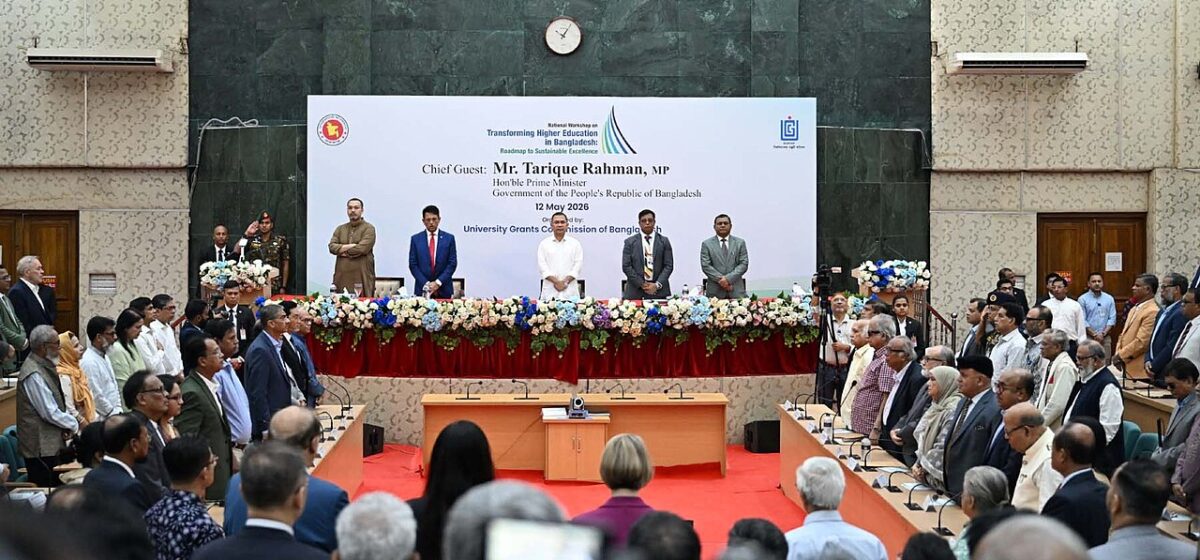
The University Grants Commission (UGC) is the main regulatory body. Professor Mamun Ahmed, UGC Chairman, said universities must investigate these cases. If universities fail, the UGC will step in directly. It remains to be seen what actions universities and the UGC will take.